

Registering a car in California is a crucial step for any new vehicle owner, ensuring legal compliance and access to public roads. However, navigating the process can be a challenge, especially with strict regulations and varying requirements. This comprehensive guide aims to demystify the car registration procedure, offering clear instructions tailored to the Golden State’s unique standards. We’ll walk you through every step, from gathering essential documents to the crucial DMV VIN verification, ensuring you’re prepared to register your vehicle smoothly and efficiently.
- Gather Necessary Documents for DMV Vin Verification
- Prepare Your Vehicle for Registration and Inspection
- Navigate Online or In-Person Registration Process in California
- Understand Fees and Payment Options for Car Registration
- Maintain Your Registered Vehicle: Renewal and Record Keeping
Gather Necessary Documents for DMV Vin Verification

To register your car in California, you’ll need to complete several steps, one of which is ensuring a successful DMV VIN verification process. Before heading to the Department of Motor Vehicles (DMV), it’s crucial to gather all the necessary documents, including proof of ownership and identification. During the verification phase, the DMV will inspect your vehicle’s Vehicle Identification Number (VIN) to ensure it matches the data in their records. This inspection is a critical component of the registration process.
One key document you’ll need for this verification is the certificate of title, which proves legal ownership. Additionally, a current registration from another state or a valid Driver License/Identification Card will be required. If you’ve recently purchased a car, the seller might provide a signed bill of sale with the VIN, which can expedite the process. In some cases, California’s DMV allows the use of mobile vin verificators to perform this inspection remotely, especially for out-of-state vehicles or those that have undergone significant modifications. This flexibility ensures convenience and efficiency in the registration process.
It’s important to double-check that all documents are up-to-date and accurate. An incorrect or missing VIN can delay registration, so ensure your vehicle’s information is consistent across all records. If you’re unsure about any aspect of the documentation required for DMV VIN verification, consider reaching out to a local DMV branch for clarification. They can guide you through the process, ensuring a smooth transition from owner to registered driver in no time.
Prepare Your Vehicle for Registration and Inspection
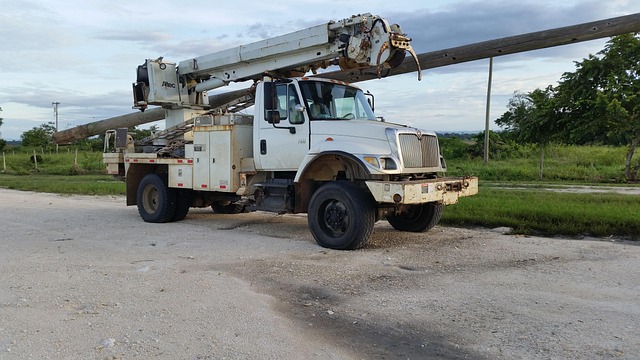
Before you can register your car in California, it’s crucial to prepare your vehicle for the process, which includes a thorough inspection. This step is designed to ensure that your car meets all safety and environmental standards set by the state. The California Department of Motor Vehicles (DMV) requires a Vehicle Identification Number (VIN) verification as part of this process, ensuring the authenticity and history of your vehicle.
One of the key aspects of preparation is scheduling a safe and convenient time for an inspection. Many California residents opt for mobile VIN verifiers, allowing them to conduct the necessary checks from the comfort of their homes or offices. These services employ trained professionals who can perform a comprehensive vin inspection, checking for any discrepancies or potential issues that might impact registration. This modern approach streamlines the process and saves time compared to traditional methods.
During the VIN inspection, several critical components are evaluated. For instance, the vehicle’s emissions system, lights, brakes, safety belts, and various mechanical parts must all be in proper working order. By utilizing a mobile vin verifier, you gain access to real-time data on your car’s history, including any previous accidents or significant repairs. This knowledge empowers you to address potential issues proactively before registration. It’s recommended to review the DMV’s guidelines thoroughly and prepare all necessary documents to ensure a smooth transition from inspection to registration.
Navigate Online or In-Person Registration Process in California

Navigating the car registration process in California can be streamlined whether you choose to go online or visit a DMV in person. Both options offer distinct advantages, so understanding your preferences and circumstances is key. Online registration offers convenience with 24/7 accessibility, allowing you to complete most steps from the comfort of your home. This method involves providing personal details, vehicle information, and uploading necessary documents, including proof of insurance and ownership. The California DMV provides an intuitive step-by-step guide for online registration, ensuring a straightforward experience.
In-person registration, on the other hand, is ideal for those who prefer face-to-face interactions or require immediate assistance. Visiting a local DMV allows for real-time verification of documents and offers the opportunity to speak with a representative. One practical advantage of in-person registration is the ability to conduct a mobile VIN inspection or mobile VIN verification. This service enables you to have the vehicle’s unique identification number (VIN) checked on-site, ensuring its accuracy and availability for registration.
For instance, consider a scenario where a California resident moves into the state and needs to register their out-of-state vehicle promptly. Utilizing a mobile VIN verifier would allow them to confirm the VIN’s legitimacy before proceeding with the registration process at the DMV, saving time and effort compared to traditional methods. This efficient approach is just one of the many benefits that modern technologies offer when navigating California’s car registration requirements.
Understand Fees and Payment Options for Car Registration

Registering a car in California involves several steps, with understanding fees and payment options being a crucial aspect. The California Department of Motor Vehicles (DMV) charges specific fees for vehicle registration, which vary based on factors like the type of vehicle, its age, and the services requested. For instance, the fee for registering a new car can range from $50 to $175, depending on emissions testing requirements. Older vehicles might have additional fees associated with emissions standards they must meet.
One practical insight to consider is the availability of various payment options. The DMV accepts credit cards, debit cards, and cash for in-person registrations. Online registration allows for more flexibility, accepting major credit cards and allowing you to split payments if needed. It’s worth noting that some third-party services offer mobile vin verifier tools, facilitating a smoother process by enabling a comprehensive VIN (Vehicle Identification Number) inspection right from your smartphone, sometimes even at your current location. These mobile vin inspections can be particularly useful when preparing for the DMV visit.
Additionally, understanding when and where to get a free or discounted registration is beneficial. Certain low-income residents or veterans might qualify for reduced fees. Some counties in California also offer periodic registration fee waivers or discounts as part of local initiatives. For instance, some areas provide mobile vin inspection services specifically tailored for these programs, ensuring compliance with DMV standards while navigating potential financial assistance. Remember that staying informed about current promotions and eligible criteria can significantly impact your overall registration cost.
Maintain Your Registered Vehicle: Renewal and Record Keeping

To maintain your registered vehicle in California, you’ll need to stay on top of renewal processes and record keeping. The California Department of Motor Vehicles (DMV) requires timely renewal of registration to ensure your vehicle remains legal to operate on public roads. Failure to renew can result in penalties and fines. One crucial aspect is the DMV VIN verification process, which ensures that the vehicle identification number (VIN) is accurate and matches the vehicle’s characteristics. This is typically done during the renewal process.
A practical step for maintaining your registration is leveraging mobile VIN verification tools. These innovative solutions allow you to conduct a VIN inspection remotely, ensuring accuracy and saving time. By using these apps or services, you can verify important details such as the vehicle’s history, ownership records, and any outstanding recalls directly from your smartphone. For instance, many DMV branches now offer mobile services, including VIN inspections, making it easier for owners to stay compliant. Regularly updating your vehicle’s records with accurate VIN data is essential, as it aids in quick identification during emergencies or law enforcement checks.
Additionally, proper record keeping involves maintaining digital or physical copies of all registration documents, insurance policies, and maintenance records. Keeping these documents up-to-date facilitates a smooth transition when selling or transferring ownership. Remember, the DMV relies on accurate information, so ensuring your records are in order is vital to avoid complications during future transactions. It’s also beneficial to set reminders for renewal deadlines to prevent lapses in registration, which can have legal repercussions.
By following these comprehensive steps, from gathering essential documents for the DMV VIN verification process to maintaining your registered vehicle, you’ve equipped yourself with the knowledge necessary to navigate California’s car registration procedures efficiently. This article has served as a reliable guide, ensuring you understand both the online and in-person registration processes, along with fee structures, and the importance of record keeping. Armed with this information, you’re now prepared to successfully register your vehicle, highlighting the value of staying informed and organized.