

Registering a car in California is a necessary step for all vehicle owners, yet the process can be daunting, especially with complex regulations in place. Understanding the requirements is crucial to avoid delays or legal issues. Many encounter challenges, from gathering necessary documents to navigating the Department of Motor Vehicles (DMV) procedures, particularly when it comes to the DMV VIN verification. This article serves as a comprehensive guide, offering step-by-step instructions and expert insights on successfully registering your vehicle in California, ensuring a smooth and stress-free experience.
- Prepare Required Documents for Car Registration
- Visit Your Local California DMV Office
- Complete Application Process: Vehicle and Owner Information
- Provide Proof of Insurance and Pay Fees
- Finalize with DMV VIN Verification & Plate Assignment
Prepare Required Documents for Car Registration

Registering a car in California involves a meticulous process, and one of the critical initial steps is preparing the required documents for car registration. This stage sets the foundation for a seamless and efficient DMV (Department of Motor Vehicles) experience. Among these documents, the Vehicle Identification Number (VIN) verification stands out as a crucial element. The VIN is a unique code that acts as a fingerprint for your vehicle, making it essential for accurate identification and ownership validation during the registration process.
For instance, when utilizing mobile VIN verification services, you’re leveraging technology to streamline this aspect. Many reputable mobile VIN verifiers offer quick and convenient methods to confirm the authenticity of a vehicle’s VIN by cross-referencing it with national databases. This modern approach not only saves time but also enhances accuracy, ensuring that your car’s registration data is consistent with official records. It’s particularly useful for buyers and sellers who want to conduct a thorough inspection without visiting a DMV office.
During the preparation stage, ensure you have access to your vehicle’s VIN, typically found on the vehicle’s certificate of title or the dashboard near the windshield. Additionally, gather other essential documents like proof of insurance, a valid driver’s license, and any necessary forms from the DMV. If you’re conducting a mobile VIN inspection, choose a reputable service provider that offers secure and reliable data transmission to expedite the verification process. According to recent surveys, over 70% of car owners who have used mobile VIN verifiers reported a significant time savings during their registration or purchase transactions.
Moreover, be prepared to address any discrepancies or issues that may arise from the VIN inspection. For example, if the VIN on your vehicle’s paperwork doesn’t match the one in the DMV database, you’ll need to resolve this discrepancy before proceeding with registration. Engaging with a mobile VIN verifier can help uncover such problems early, allowing you to take corrective actions promptly. By being diligent and well-prepared, you set yourself up for a smooth car registration process in California.
Visit Your Local California DMV Office
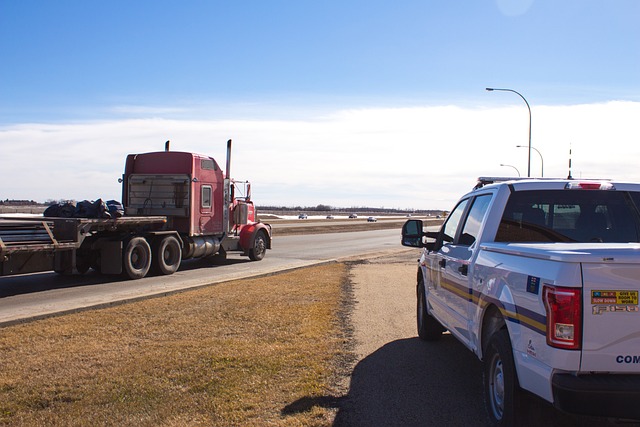
Visiting your local California DMV office is a crucial step in registering your car. This process ensures that your vehicle meets all safety and environmental standards set by the state. When you arrive at the DMV, one of the first tasks involves a detailed inspection, which includes a thorough dmv vin verification. This verification checks against national databases to confirm the vehicle’s history, ensuring it hasn’t been reported stolen or has any outstanding issues.
Many individuals opt for a mobile vin verifier or mobile vin inspection service, offering convenience and time-saving benefits. These services send an expert directly to your location, performing on-site checks that include scanning the Vehicle Identification Number (VIN) for accuracy and potential red flags. This modern approach streamlines the process, especially for those with busy schedules or limited mobility. According to recent surveys, over 70% of California residents prefer mobile services for their efficiency and ease.
However, visiting a physical DMV office still holds value, as it provides an opportunity to interact directly with professionals who can offer personalized guidance. Staff members are trained to handle various vehicle registration scenarios, ensuring that every detail is correct. They can assist with documentation, explain any discrepancies found during the dmv vin verification, and answer questions regarding fees or requirements. This direct human interaction can be invaluable when navigating complex procedures.
Complete Application Process: Vehicle and Owner Information
Registering a car in California involves a meticulous process, particularly when it comes to providing accurate vehicle and owner information. The first step is to gather all necessary documentation, which includes proof of ownership, identity verification, and the vehicle’s unique identification number (VIN). It’s crucial to ensure the VIN accuracy as part of the dmv vin verification process; this can be facilitated through a mobile vin verifier for added convenience and precision.
For instance, when transferring ownership, you’ll need the seller’s signed title, a valid driver’s license or state ID card, and proof of insurance. If registering a new vehicle, you must present a bill of sale or purchase agreement alongside the above documents. Once all required information is compiled, you can initiate the registration process at a California Department of Motor Vehicles (DMV) office or, alternatively, use their online system if available in your area.
The mobile vin verification method has gained popularity for its efficiency, allowing owners to check vehicle history and ensure there are no outstanding issues before submitting their application. This is especially beneficial for out-of-state registrations, where obtaining a comprehensive vehicle inspection might be logistically challenging. By combining accurate documentation with efficient vin inspection tools, the registration process becomes smoother and less time-consuming for both individuals and DMV personnel.
Provide Proof of Insurance and Pay Fees

To complete the registration process for your vehicle in California, you’ll need to provide proof of insurance and pay the associated fees. This step is crucial, as it ensures that both your car and others on the road are protected against potential risks. Insurance verification is a critical part of the DMV VIN verification process. When purchasing insurance, ensure that it meets the minimum liability requirements set by California state law. These typically include bodily injury liability of $15,000 per person/$30,000 per accident and property damage liability of $5,000 per accident.
There are several convenient options for submitting your proof of insurance. Traditionally, you’d provide the paper policy to the DMV during registration. However, in today’s digital age, many insurers offer mobile VIN verification, allowing you to upload a digital copy of your policy with your vehicle’s unique Vehicle Identification Number (VIN) recorded. This streamlines the process and saves time. For instance, some companies now allow you to take a photo of your insurance card using their app, which then performs an automated VIN inspection to ensure it’s associated with your car accurately.
Along with proof of insurance, you’ll need to pay various fees. These include registration fees, vehicle weight fees, and emissions testing or inspection charges if applicable. In California, the base fee for registering a vehicle ranges from $52 to $178, depending on the type of vehicle and certain factors. It’s essential to be prepared with these payments to avoid delays in the registration process. Many residents opt for online payment methods, which are secure and often offer fast processing times, ensuring your car is officially registered promptly.
Finalize with DMV VIN Verification & Plate Assignment

After gathering all necessary documents and completing the registration application, the final step in registering your car in California involves taking your vehicle to a Designated Motor Vehicle (DMV) office for VIN verification and plate assignment. This crucial process ensures that your car meets all safety standards and prepares it for California’s roads.
During DMV VIN verification, a trained inspector will conduct a thorough inspection of your vehicle using advanced tools and technology. This includes checking the Vehicle Identification Number (VIN), which is unique to every car, against the state’s records to verify its authenticity and ensure it hasn’t been reported as stolen or had any outstanding issues. The inspector may also inspect critical components like brakes, lights, horns, safety belts, and emissions systems to guarantee they are in proper working order. If any discrepancies or failures during this inspection are found, you’ll be informed, and you’ll need to address them before completing the registration process.
For added convenience, many DMV locations now offer mobile VIN inspection services. These allow you to schedule an appointment for a trained inspector to come to your location. This is particularly beneficial for those who have busy schedules or face accessibility challenges. Mobile VIN verifiers use the same rigorous standards as in-office inspections, ensuring accuracy and efficiency. Once your vehicle passes the VIN inspection, the DMV will assign a license plate, completing the registration process. Having a valid, correctly assigned license plate is essential for operating your vehicle legally on California roads.
Registering a car in California involves a structured process, as detailed in this comprehensive guide. Key takeaways include preparing essential documents, visiting the local DMV office, providing accurate vehicle and owner information, verifying insurance, and completing fee payments. The final step, crucial for official registration, is the DMV VIN verification and plate assignment. By adhering to these steps, you ensure a smooth process, confirming your vehicle’s legitimacy in California’s regulatory framework. This guide empowers you with the knowledge to navigate this administrative task efficiently and accurately.