
Registering a car in California is a crucial step for any new vehicle owner, ensuring legal compliance and protection. However, navigating the process can be challenging due to the state’s stringent requirements and evolving regulations. This article serves as your authoritative guide, offering a comprehensive walkthrough on how to register your vehicle seamlessly. We’ll delve into every step, from gathering essential documents to performing a VIN verification, ensuring you’re fully prepared for this essential task. By following these precise instructions, you’ll efficiently navigate the California registration process and hit the roads with confidence.
- Prepare Required Documents for Car Registration
- Locate Your Vehicle's Unique VIN (Vehicle Identification Number)
- Choose an Appropriate California Car Registration Class
- Submit Application and Pass Necessary Inspections
- Finalize Registration: Understand Fees, Deadlines, and Renewal
Prepare Required Documents for Car Registration

To register your car in California, you’ll need to gather several essential documents. Firstly, ensure you have proof of vehicle ownership, typically a bill of sale or purchase agreement. Next, you’ll require valid identification for both yourself and the vehicle’s owner(s). This could include driver’s licenses, passports, or state-issued ID cards. Additionally, a current insurance policy proving financial responsibility is mandatory.
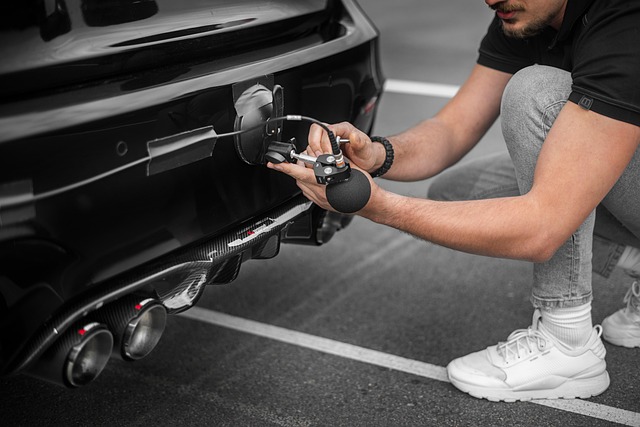
One crucial step in preparing for car registration is completing a Vehicle Identification Number (VIN) verification. This process confirms the vehicle’s authenticity and history. In California, you can opt for a mobile VIN inspection or use a mobile VIN verifier to streamline this process. A quick online search will connect you with reputable services offering these solutions, making it convenient and efficient. Some car dealerships or licensed auto inspectors also provide VIN inspections, which can be done at their facilities.
Remember to check the California Department of Motor Vehicles (DMV) website for specific requirements and any additional documents that may be needed based on your vehicle’s age, type, or import status. Accurately completing these forms and providing all necessary documentation will ensure a smoother registration process.
Locate Your Vehicle's Unique VIN (Vehicle Identification Number)

Locating your vehicle’s unique Vehicle Identification Number (VIN) is a critical step in the car registration process in California. This 17-character code acts as a fingerprint for your car, providing essential information about its make, model, year, and features. It’s crucial to ensure accurate VIN verification during registration, especially when considering that each character on this number holds specific meaning.
One of the simplest ways to find your VIN is by checking the vehicle itself. Look for it on the driver’s side door frame or the engine block. Many vehicles also have a sticker or plate with the VIN in an easily readable format. However, if you’re dealing with an older car or one that has undergone significant alterations, mobile VIN verification services can be invaluable. These services allow you to access a vehicle’s VIN through digital means, ensuring accuracy even if physical markers are hard to locate or obscured.
For instance, some registration centers now offer mobile VIN inspection services where a technician can scan and verify your VIN on-site, saving time and effort. This is particularly beneficial for those who own classic cars or have had recent modifications made to their vehicles. According to data from the California Department of Motor Vehicles (DMV), accurate VIN reporting helps streamline registration processes and reduces vehicle theft risks by providing precise identification.
When performing a VIN inspection, whether through traditional means or mobile services, take note of any discrepancies immediately. Inaccurate VIN information can lead to delays or issues with registering your car in California. Always cross-reference the details against official sources and ensure that the VIN matches across all documentation, including title records and insurance papers.
Choose an Appropriate California Car Registration Class
Choosing the right California car registration class is a crucial step in ensuring your vehicle complies with state regulations. California offers various classes tailored to different types of vehicles, each requiring specific documentation and procedures. The primary factor in this decision is accurate Vehicle Identification Number (VIN) verification. This process ensures that the vehicle’s details match the information on record, preventing fraud and ensuring proper registration. For instance, a 2015 Toyota Camry with a unique VIN would require different registration than a 2018 Ford F-150 with a distinct VIN, even if they share some common features.
A key step in this process involves conducting a thorough VIN inspection. This is often done by utilizing mobile VIN inspection services, which offer on-site verifications for added convenience. These services employ advanced technology to cross-reference the VIN against state databases, ensuring its validity and accuracy. Mobile VIN verifiers are particularly useful for those who purchase vehicles from private sellers or have recently imported a vehicle into California, as they provide immediate peace of mind and help avoid potential registration issues down the line. According to the California Department of Motor Vehicles (DMV), accurate VIN verification is critical in combating theft and ensuring road safety.
When registering your car, carefully review the DMV’s guidelines to select the appropriate class. This decision directly impacts fees, documentation requirements, and the overall registration process. For example, classic cars or vehicles over 25 years old may have simplified registration procedures compared to newer models. Always ensure you have all necessary documents, including proof of insurance, title, and successful VIN verification. By prioritizing thorough VIN inspection and choosing the right registration class, California car owners can navigate the registration process smoothly and maintain their vehicles’ legal status.
Submit Application and Pass Necessary Inspections
After gathering all the required documents and ensuring your vehicle meets California’s safety standards, the next crucial step is submitting your application and passing the necessary inspections. This phase is critical as it verifies your car’s identity through a process known as Vehicle Identification Number (VIN) verification. The VIN is a unique 17-character code that serves as a digital fingerprint for your vehicle. To initiate the registration process, you’ll need to provide this number along with detailed information about the car to California’s Department of Motor Vehicles (DMV).
One of the essential aspects of this stage involves undergoing a VIN inspection, which is typically done by a certified inspector or a DMV employee. This inspection goes beyond a basic visual check; it verifies that your vehicle’s VIN is accurate and matches the data in the manufacturer’s records. In California, you can opt for either a stationary or mobile VIN verification service. Mobile vin inspection services bring the testing to your location, offering convenience for those with busy schedules. These inspections are vital to prevent fraud, ensuring that the car’s history aligns with the information provided during registration.
For instance, in 2022, California’s DMV reported a significant reduction in registration-related issues due to enhanced VIN verification processes. This indicates the effectiveness of these inspections in streamlining the registration process and promoting automotive transparency. When preparing for your inspection, ensure all documents are in order, and be ready to answer any questions regarding your vehicle’s history. A well-prepared approach will not only make the process smoother but also help you avoid potential delays or complications down the line.
Finalize Registration: Understand Fees, Deadlines, and Renewal

After completing the initial registration process, including gathering all necessary documents and passing the vehicle inspection, the next crucial step in registering your car in California involves finalizing the registration—a process that demands attention to details regarding fees, deadlines, and renewal procedures. Understanding these aspects is essential to ensure a smooth ownership experience from the start.
In California, vehicle registration fees vary based on several factors, such as the type of vehicle, its age, and emissions standards. For example, as of 2023, standard registration fees range from approximately $50 to $175, while additional fees may apply for specialized plates or personalized options. It’s important to note that these fees are subject to change annually, so checking the California Department of Motor Vehicles (DMV) website for the latest information is advisable before proceeding. Deadlines play a significant role, too; registering within 30 days of acquiring a vehicle ensures optimal rates. Beyond this window, penalties and surcharges may be incurred, adding to the overall cost.
Renewal procedures are straightforward but require proactive management. California vehicle registrations typically expire on specific dates, usually after one or two years, depending on the issuance date. To renew, owners can either complete the process online, mail in the required documents, or visit a local DMV office. Utilizing mobile vin inspection services, such as those offered by certified mobile vin verifiers, streamlines this process significantly. These services allow for remote vin verification, ensuring that your vehicle’s history is accurately checked before registration renewal. By embracing modern solutions like mobile vin inspectors, California drivers can save valuable time and maintain seamless ownership experiences.
By systematically navigating through document preparation, VIN verification, choosing the right registration class, passing inspections, understanding fees and deadlines, and planning for renewal, you’ve gained a comprehensive understanding of the car registration process in California. This authoritative guide equips you with the knowledge to ensure your vehicle’s legal status, highlighting the significance of accurate vin verification. Now armed with these key insights, you’re ready to confidently register your car and enjoy a seamless experience, reflecting the state’s efficient administrative processes.