

Registering a car in California is a crucial step for any vehicle owner, ensuring legal compliance and access to public roads. However, the process can be complex, with numerous requirements and potential pitfalls. From gathering essential documents to understanding unique state regulations, navigating this labyrinthine procedure can be daunting. This authoritative guide provides a comprehensive solution, detailing each step of car registration in California. We emphasize the importance of accurate VIN verification throughout, ensuring you have all the knowledge needed to complete the process efficiently and correctly.
- Prepare Required Documents for Car Registration
- Understand California's Vehicle Registration Process
- Verify Vehicle Identity with VIN Check
- Submit Application and Pay Registration Fees
- Receive Your California Vehicle Registration Papers
Prepare Required Documents for Car Registration

Before you can register your car in California, it’s crucial to prepare the essential documents, a process that starts with accurate and verifiable information about your vehicle. The primary piece of documentation is the Vehicle Identification Number (VIN). Ensuring its accuracy through a reliable VIN verification process is paramount. This unique 17-character code serves as the fingerprint of your car, critical for identifying it and accessing registration and history records.
In California, you can verify your VIN in several ways. One convenient option is to utilize a mobile VIN inspection service, which allows you to complete the process from the comfort of your home or office. These services employ advanced technology to cross-reference your VIN with state databases, ensuring its legitimacy and accuracy. Alternatively, many licensed car dealers and repair shops also offer VIN verification services.
When preparing your documents, remember to gather all relevant paperwork related to your vehicle’s ownership history, insurance information, and any prior registrations. Additionally, ensure that the title is in your name and reflects the accurate mileage shown on your odometer reading. A complete and accurate documentation package significantly streamlines the registration process.
Understand California's Vehicle Registration Process
Registering a car in California involves several crucial steps, each designed to ensure vehicle safety and driver accountability. The process begins with gathering essential documents and ends with your vehicle officially registered with the state. A key aspect of this is verifying the Vehicle Identification Number (VIN), which serves as a unique fingerprint for your car. This verification step can be accomplished through traditional methods like visiting a DMV office or via modern, convenient alternatives such as mobile VIN inspection and verification services.
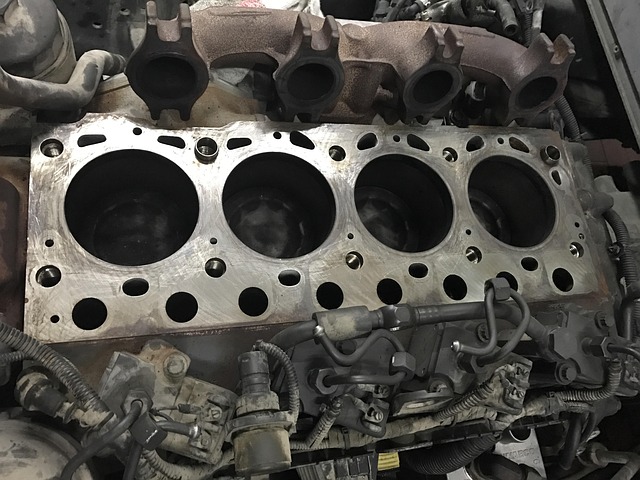
For instance, in California, you’ll need to present the vehicle’s title, proof of insurance, and valid driver’s license during registration. Additionally, the VIN on your car’s registration documents must match the one inscribed on its engine block or chassis. This VIN inspection ensures that the vehicle is as described and helps deter fraud. While traditional VIN checks often require you to visit a DMV, mobile services offer a more flexible approach—a qualified inspector can come to your location to perform the VIN verification, streamlining the process.
To ensure a smooth registration experience, consider scheduling appointments in advance, especially for mobile VIN inspections. This proactive step saves time and avoids potential delays caused by unexpected wait times at DMV offices or mobilizing inspection services. Additionally, staying informed about California’s specific registration requirements and deadlines empowers you to complete the process efficiently and without complications.
Verify Vehicle Identity with VIN Check

Verifying a vehicle’s identity through a Vehicle Identification Number (VIN) check is a crucial step in the car registration process in California. This critical procedure ensures that the vehicle you intend to register is genuine and has not been reported as stolen or had its identity tampered with. A proper VIN verification lays the foundation for a legitimate and safe registration, which is essential given California’s stringent automotive regulations.
A mobile VIN inspection or verifier offers a convenient and efficient solution for conducting this check. These services allow you to verify a vehicle’s VIN from the comfort of your location by providing real-time data access through specialized tools. For instance, many professional examiners use mobile apps that connect to national databases, ensuring accuracy within seconds. This modern approach streamlines the process, particularly in urban areas with high traffic and limited access to traditional inspection facilities.
When conducting a VIN check, it’s crucial to ensure the information is current and accurate. Inaccurate data could lead to registration delays or even rejection. For example, a 2015 study by the California Department of Motor Vehicles (DMV) revealed that approximately 3% of vehicles had discrepancies in their records after random VIN inspections. This underscores the importance of using reliable mobile vin inspection services that maintain up-to-date records and provide detailed reports, enhancing the overall registration experience for Californians.
Submit Application and Pay Registration Fees

After gathering all your necessary documents, the next step in registering your car in California involves submitting the appropriate application and paying the required fees. This process is a crucial part of ensuring your vehicle complies with state regulations and can be completed relatively efficiently with proper preparation. When submitting your application, double-check that all information is accurate and complete to avoid delays. Key to this process is verifying the Vehicle Identification Number (VIN), which serves as a unique fingerprint for your car. Utilizing a mobile VIN verification tool or a professional VIN inspector can ensure accuracy during this critical step.
California requires vehicle owners to conduct a VIN inspection, typically 1-3 times within the registration period, to confirm the vehicle’s identity and history. This is done to combat fraud and ensure that only legitimate vehicles are on the road. Mobile VIN verification services offer a convenient way to complete this inspection, allowing you to verify your car’s history from the comfort of your home or even while waiting at a DMV. These digital tools cross-check your VIN against state databases and provide immediate results, streamlining the registration process significantly.
Once your application is submitted and the VIN verification is complete, you’ll be directed to make the necessary payments. California levies specific fees for vehicle registration, which may vary based on factors like the type of vehicle and its age. It’s important to pay attention to these charges and understand what each fee covers. Some counties in California also charge additional administrative costs, so be sure to inquire with your local DMV to account for any extra expenses. After successfully completing the application and fee payment, you’ll receive your official registration documents in the mail within a specified timeframe.
Receive Your California Vehicle Registration Papers

After completing your California vehicle purchase, the next crucial step is to receive and ensure proper registration of your new car. This involves obtaining your California Vehicle Registration Papers, which serve as official documentation confirming your ownership and the vehicle’s details. The process typically begins with a trip to the California Department of Motor Vehicles (DMV) or, for added convenience, utilizing their online services.
Upon presenting the necessary paperwork, including proof of purchase and identification, the DMV will conduct a Vehicle Identification Number (VIN) verification. This step is essential for ensuring that the vehicle matches the details provided and is not reported as stolen. In some cases, you may opt for a mobile VIN verification or utilize a mobile vin verifier app to streamline this process, offering added convenience during your busy schedule. The DMV will then access the National Motor Vehicle Title Information System (NMVTIS) to validate the vehicle’s history, including any previous owners or reported incidents.
Once your VIN verification is complete and the vehicle passes inspection, you’ll be issued your California Vehicle Registration Papers. These documents include critical information such as the vehicle identification number, make, model, year, and registration details. It’s crucial to keep these papers secure, as they are needed for future reference, including proof of insurance and registration renewals. In the event of a change in ownership or address, these documents must be updated accordingly to maintain compliance with California’s motor vehicle regulations.
By meticulously preparing required documents, understanding California’s vehicle registration process, verifying vehicle identity with a VIN check, submitting applications, and paying fees, you can successfully register your car in California. This authoritative article has guided you through each step, ensuring a clear and comprehensive understanding of the requirements. Key insights include the importance of accurate documentation, the need for reliable VIN verification, and the straightforward process once all elements are in place. Now armed with this knowledge, you’re prepared to navigate the registration process efficiently, ensuring your vehicle is legally registered and ready to hit California’s roads.