
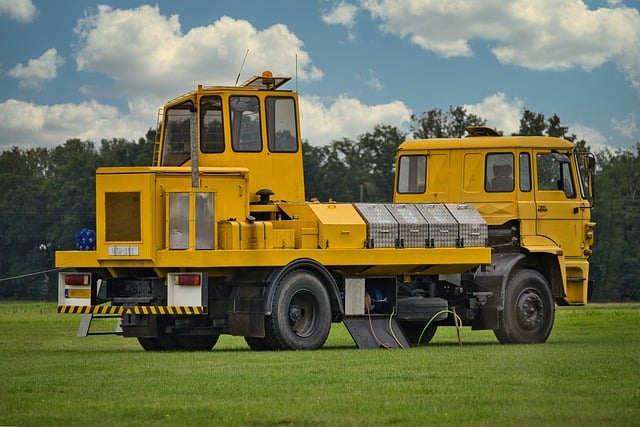
Regular truck inspections, tailored to mileage, environment, and operation, reduce breakdowns by 30%, extend lifespans, and optimize performance. Best practices include daily basic checks, bi-weekly/monthly comprehensive inspections, customized checklists, leveraging telematics, and predictive analytics for proactive maintenance.
In the demanding world of trucking operations, regular inspection intervals are not merely a suggestion—they’re a critical component for safety, efficiency, and cost management. Trucks, being the backbone of logistics and transportation, face stringent regulatory standards and undergo substantial wear and tear due to frequent use. However, many operations struggle with determining optimal inspection schedules, often leading to either costly preventive maintenance or unexpected breakdowns. This article delves into the factors influencing inspection intervals, offering expert insights tailored for trucking professionals seeking to enhance operational resilience and reduce maintenance overheads.
- Understanding Inspection Intervals for Trucks
- Factors Influencing Truck Maintenance Scheduling
- Best Practices for Efficient Truck Inspections
Understanding Inspection Intervals for Trucks

Regular inspection intervals are paramount for maintaining the safety and efficiency of trucks, which bear the burden of transporting goods across vast distances. The frequency and scope of these inspections should be tailored to the specific operating conditions, route, and age of each truck. Factors such as mileage, environmental exposure, and load type significantly impact the rate of wear and tear, necessitating a personalized approach.
For instance, long-haul trucks traversing diverse terrain may require more frequent checks for tire condition, suspension integrity, and exhaust system performance compared to local delivery vehicles primarily navigating urban routes. Data from industry studies indicates that regular inspection routines can reduce the risk of breakdowns by up to 30%, minimizing costly repairs, delays, and safety hazards on the road.
Experienced fleet managers employ a combination of scheduled maintenance calendars and condition-based monitoring. Scheduled inspections at set mileage intervals ensure fundamental components receive consistent attention, while real-time data from sensors can flag anomalies before they escalate. This proactive approach enables mechanics to address issues early, extending truck lifespan and optimizing operational performance. By adhering to evidence-based inspection protocols, truck operators can confidently navigate the highway, ensuring both safety and economic viability.
Factors Influencing Truck Maintenance Scheduling

The scheduling of truck maintenance inspections is a complex task influenced by a multitude of factors, each playing a critical role in ensuring optimal vehicle performance and safety. In the fast-paced world of trucking, where trucks naturally log extensive miles, proactive maintenance strategies are essential to minimize downtime and maximize efficiency. One of the primary considerations is operational usage; varying driving patterns, from local deliveries to long-haul routes, exert different demands on vehicles, necessitating tailored inspection routines. For instance, trucks engaged in frequent starts and stops, typical of urban environments, may require more regular brake system evaluations compared to those cruising at consistent speeds over long distances.
Environmental conditions also significantly impact maintenance intervals. Extreme temperatures, whether scorching heat or sub-zero cold, can affect engine performance and tire wear, prompting adjustments in scheduled services. Furthermore, the type and quality of roads traveled introduce variable stress on components like suspensions and axles, dictating more frequent checks in regions with rough terrain or poorly maintained road networks. Data from industry studies reveals that aggressive driving behaviors, such as rapid acceleration and hard braking, can lead to a 20-30% increase in wear and tear, underlining the necessity for drivers and fleet managers to be cognizant of these factors when planning maintenance.
Moreover, regular vehicle inspections become more critical as trucks age. As vehicles accumulate miles, certain parts may require more frequent attention, especially those exposed to intense use. For instance, older trucks might necessitate more rigorous engine oil changes to combat increased oxidation and potential contamination from higher operating temperatures. Regular maintenance not only extends truck lifespans but also enhances safety by identifying potential hazards early on. By carefully considering these factors and tailoring inspection intervals accordingly, trucking operations can achieve significant cost savings, minimize disruptions, and ensure the reliable performance of their fleets.
Best Practices for Efficient Truck Inspections

Regular and efficient truck inspections are vital to maintaining safety standards and minimizing operational disruptions. Best practices for these inspections involve a structured, systematic approach tailored to each truck’s unique characteristics and usage patterns. One proven method is to conduct basic checks daily, focusing on critical components like tires, brakes, lights, and fluids. This routine maintenance not only prevents minor issues from escalating but also ensures trucks are roadworthy, enhancing driver and passenger safety.
For more comprehensive inspections, a bi-weekly or monthly schedule should be implemented, depending on the truck’s mileage and operational demands. During these intervals, a detailed examination of systems such as engines, transmissions, electrical components, and suspension is warranted. Utilizing checklists ensures consistency and no vital area is overlooked. For instance, a study by the American Trucking Associations (ATA) revealed that regular inspections can reduce breakdown rates by up to 30%, saving significant time and resources for fleet managers.
Expert recommendations also emphasize the importance of customizing inspection routines based on specific truck types and applications. Trucks used for long-haul, off-road, or extreme climate conditions may require more frequent checks due to increased wear and tear. Additionally, leveraging technology like telematics and predictive analytics can provide valuable insights into potential issues, allowing proactive maintenance instead of reactive repairs. By adopting these best practices, truck operators can significantly enhance fleet safety, reduce downtime, and optimize overall operational efficiency.
By understanding the key factors influencing truck maintenance scheduling and adopting best practices for efficient inspections, fleets can significantly reduce downtime, optimize operational costs, and enhance safety for their trucks. Regular, comprehensive inspections are not just recommended—they’re essential to identifying potential issues early, ensuring optimal performance, and maximizing the lifespan of these vital commercial assets. This article has provided a robust framework for scheduling inspection intervals, considering environmental factors, vehicle age and mileage, driver behavior, and industry regulations. Armed with this knowledge, fleet managers can make informed decisions, streamline maintenance processes, and naturally extend the productive life of their trucks.